
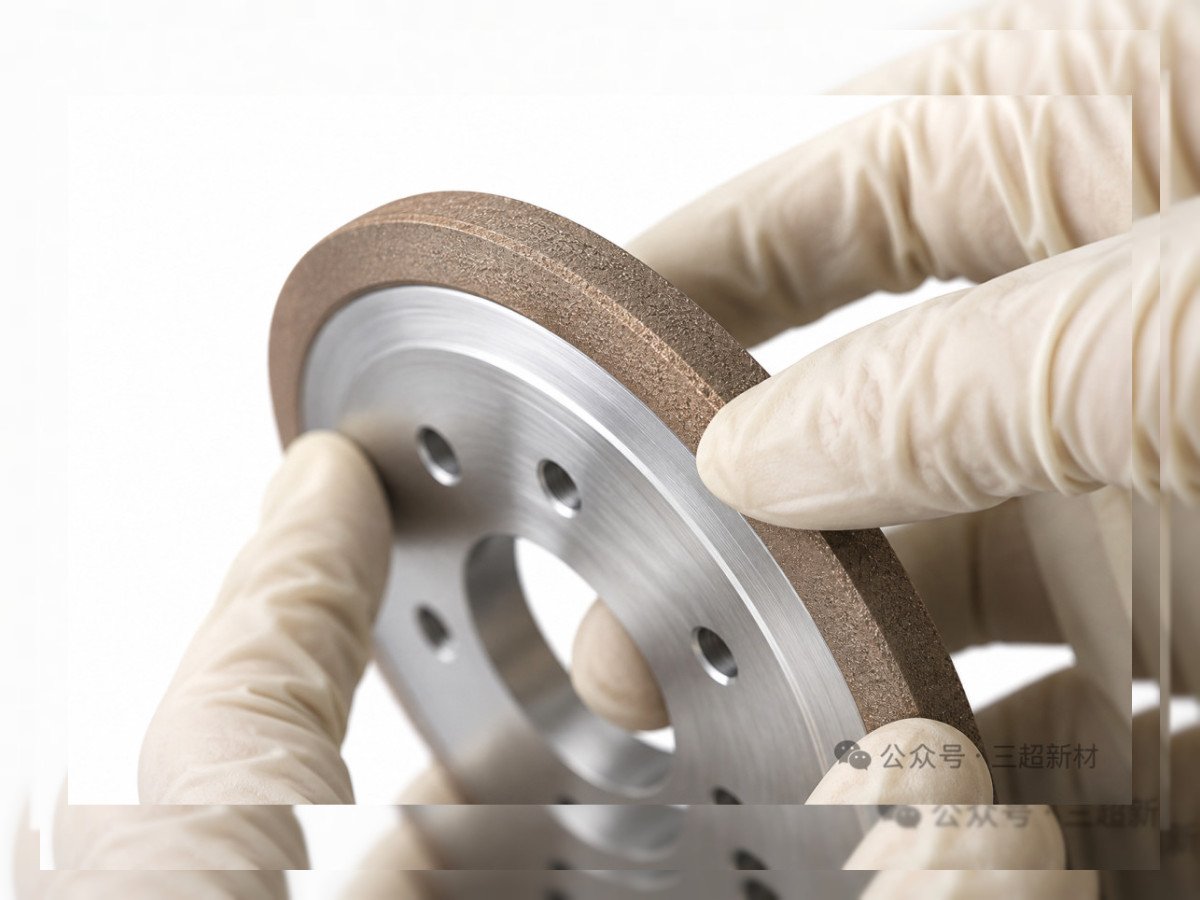
Quick answer: CBN, ceramic and PCD inserts are not universal upgrades from carbide. CBN suits hardened ferrous metals and interrupted cuts, ceramic shines in high-speed continuous turning of hard or heat-resistant alloys, and PCD is the first choice for abrasive non-ferrous materials. Match the insert to workpiece hardness, thermal conductivity, edge preparation and machine stiffness before you pick a grade.
Shops often treat superabrasive inserts as drop-in replacements. The hardness and thermal conductivity data used to compare diamond and CBN grinding wheels with conventional wheels also helps explain why these three insert families behave differently on the lathe.
What separates CBN, ceramic and PCD on hardness and heat?
Microhardness ranking from abrasive grain data is a useful starting point: diamond ~10000 HV, CBN ~8000 HV, silicon carbide ~2800–3300 HV, corundum ~2000 HV. Polycrystalline insert tips have lower values because of binder, but the ranking stays the same. Thermal conductivity follows a similar pattern: diamond and CBN conduct heat far better than alumina-based ceramics.
| Insert material | Hardness (relative) | Thermal conductivity | Typical tip construction |
|---|---|---|---|
| CBN | Very high | High (~1300 W/m·K for pure CBN) | CBN layer brazed on carbide |
| Ceramic | Moderate to high | Low (~20–30 W/m·K for alumina) | Monolithic or whisker-reinforced ceramic |
| PCD | Extremely high | Very high (~1460 W/m·K for pure diamond) | PCD layer on carbide |
High thermal conductivity moves heat away from the cutting zone and into the insert or chip, which helps reduce thermal wear on the tool. Low-conductivity ceramics keep heat at the edge, which can soften the workpiece but requires stable cutting conditions to avoid thermal cracking.
Why does edge preparation play the same role as dressing a grinding wheel?
Conventional grinding wheels self-sharpen, while superabrasive wheels require special dressing to stay sharp. Inserts follow a similar logic: the edge must be prepared for the material and cut type, or the expensive tip fails early. A sharp edge cuts freely but chips easily in hard steel; a honed or chamfered edge survives impact but increases cutting forces.
| Edge style | Best for | Avoid |
|---|---|---|
| Sharp | Aluminum, plastics, composites, fine finishing | Hardened steel, interrupted cuts |
| Honed | Hardened steel continuous turning | Gummy non-ferrous materials |
| Chamfered / T-land | Hardened steel interrupted cuts, scale-covered surfaces | Ultra-precise finishing where forces distort the part |
CBN inserts for hard turning often combine a honed edge with a chamfer. Ceramic inserts for nickel alloys may use a light hone. PCD inserts for aluminum are usually sharp to preserve surface finish and avoid built-up edge.
Which insert fits your workpiece material?
| Workpiece | Recommended insert | Notes |
|---|---|---|
| Hardened steel HRC 45–65 | CBN or ceramic | CBN for interrupted cuts and tight tolerances; ceramic for high-speed continuous roughing |
| Gray and ductile cast iron | CBN or ceramic | CBN for precision boring; ceramic for high-volume rough turning |
| Superalloys and heat-resistant alloys | Ceramic or CBN | Ceramic may run faster; CBN offers better edge security in some operations |
| Aluminum, copper, brass alloys | PCD | Never use on ferrous materials—diamond reacts with iron at cutting temperature |
| Composites, CFRP, plastics | PCD | Abrasive fibers demand high wear resistance |
Do not run PCD on steel or cast iron. Do not run CBN on soft steel below about HRC 45; the insert wears quickly and the surface finish suffers. Ceramic inserts demand rigid machines, minimal vibration and often dry cutting.
Pre-purchase checklist for insert buyers
- Confirm workpiece material, heat treatment and hardness range.
- Identify the operation: continuous turning, interrupted turning, boring, facing or profiling.
- Check machine stiffness, spindle condition, coolant availability and maximum speed.
- Decide required surface finish and tolerance; match edge prep and grade.
- Compare current cost per piece, including tool changes and downtime.
- Ask for a test insert and change one variable at a time during evaluation.
Frequently asked questions
Can I use CBN inserts on soft steel?
Not recommended. CBN performs best on hardened steel above roughly HRC 45. On soft steel it tends to wear rapidly and may produce a poor surface finish.
Why can’t PCD inserts machine steel?
Diamond reacts chemically with iron at high cutting temperatures. The edge degrades quickly, so PCD is limited to non-ferrous metals, composites and plastics.
Are ceramic inserts suitable for interrupted cuts?
Most ceramic grades are brittle. Whisker-reinforced ceramics can survive light interruptions, but extreme interruptions usually call for CBN or a tough carbide grade. Test on your specific setup.
How do I choose between CBN and ceramic for hardened steel?
Ceramic often allows higher cutting speeds in continuous cuts, but CBN provides better edge security in interrupted cuts and can hold tighter dimensional tolerances. Machine rigidity and part geometry decide the final choice.
What data should I send to request an insert recommendation?
Send workpiece material, hardness, operation type, machine model, current parameters, required surface finish, current tool life and cost per piece. A drawing or photo helps.
Related guides and products
Send your application data for a grade recommendation and quote.